“This war is the most important thing that has happened in the last four years in the world.”
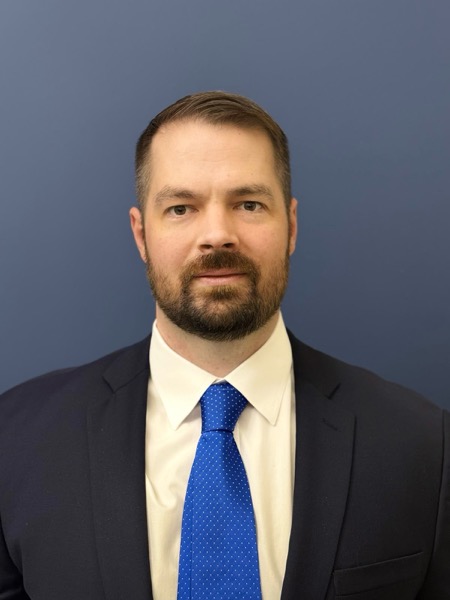 Rob Lee
“Even their own soldiers did not think an invasion was gonna happen. They were acting in a lackadaisical manner because they didn’t think they were trying to obscure anything.”
Rob Lee
“If we see forces going into Belarus, that means Kiev itself is under threat. When I saw them move to Belarus — that’s when I got triggered.”
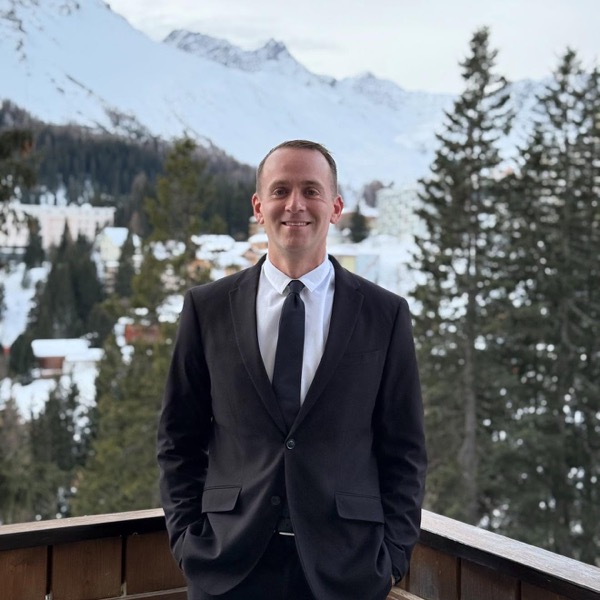 Samuel P.N. Cook
“Ukraine in 2022 was different than Ukraine in 2014. The military was different. The politics was different. And it’s not all Crimea.”
Rob Lee
Hi, my name is Sam Cook. I'm the founder and executive director of the Ukraine Military History Institute, which is the producer of the Ukraine Military History Podcast. Welcome to the first episode of this podcast, which is, uh, my passion, which is military history. I was a US Army officer for 13 years. Uh, taught history at West Point for my last, uh, three years in the army. Before that, I studied at New York University, got a degree in world history with a focus on studies, and this podcast is a culmination of my, uh, passion in life, which is the study of military history, the practice of military history in actual operations, and the use of history for, uh, nation-building, uh, creating a strong national idea and identity, uh, for the country that I've now called home for the last eight years of my life and plan to raise my family here and build this country in the future, which is Ukraine. So, before Ukraine got into the news, uh, in 2022, uh, I was living here for four years already. And when the war started, I shifted into, uh, a nonprofit, which is called the Borderlands Foundation, which is the, uh, funding source for the Ukraine Military History Institute. So welcome to the first episode of this podcast. In the first episode of this podcast, I'm gonna sit down with, uh, an editor-at-large for the podcast, Rob Lee, a top and military analyst in the, uh, military analytical community. Rob is probably the most respected for his on-the-ground detailed tactical understanding of the current war in Ukraine and the evolution of the tactics. So I'm sitting down with Rob, who I brought in to be an editor-at-large and a co-host for this podcast, to discuss the big idea behind this podcast, uh, what we both hope to accomplish, uh, in this podcast, and the structure of all of the episodes and, and the themes that we're, we're gonna be covering in this podcast going forward. So, I hope you enjoy this first episode, my conversation with my co-host and editor-at-large for the Ukraine Military History Institute, Rob Lee. Before we start this episode, I just wanted to make a quick word to mention our sponsors. I'm gonna give you a brief introduction for our sponsors, and then at the end of the show, we'll do a longer discussion about each sponsor and what we're offering so that you can get right into the content. So this podcast is funded by the Borderlands Foundation. The Borderlands Foundation is a foundation that I established to make sure Ukraine's heroes are never forgotten, and we have two main centers that are, uh, in effect, the sponsor for this podcast. The first center is the Ukraine Military History Institute. It's an -speaking, uh, and , uh, speaking, uh, center, which is our mission is to translate Ukraine's history from , uh, into for the world, uh, to consume and learn from. Ukraine has a lot of allies who've supported it, almost all of them the common language of military officers, military historians, and professionals is , so the Ukraine Military History Institute created and sponsors this. And I'll tell you all about our programs and how you can support the institute at the end of the episode. The second sponsor for this podcast is the Ukraine Center for Traumatic Stress. This is also part of the Borderlands Foundation. It's a center dedicated to research and raising awareness and, uh, helping to bring in to Ukraine, uh, cutting-edge, uh, therapies, treatments, uh, protocols, and education related to post-traumatic stress disorder. Uh, the heroes of Ukraine that are fighting this war, whether they're Ukrainians or foreigners who've come in to fight side-by-side with Ukrainians, they're writing this history, which creates the stories, which creates a strong future country, and those memories have costs, so we're dedicated to helping advance the research, treatment, and, uh, and, uh, breakthrough, uh, that all soldiers, veterans can have dealing with and overcoming post-traumatic stress disorder and mental health that arises from their service. And then finally, our last sponsor is the Borderlands Group. This is a, uh, for-profit company that donates the money to fund the Borderlands Foundation and all of our programs. I'm also the founder and president of that organization, and we do military advisory, advisory for, uh, defense companies working inside Ukraine, and consulting and software development and technical work, uh, for both governments and, uh, military defense companies. So, with that, that's our sponsors. At the end of the podcast, I'm gonna tell you a lot more about each sponsor. If you're, if you're looking for ways that you can contribute to the Borderlands Foundation, our two centers, or if you'd like to work with myself, Rob, and other contributors for this podcast, I'll talk to you about how you can get in touch with us through the Borderlands Group for that. Hi, it's Sam Cooke. I'm the founder and co-host of the Ukraine Military History Podcast here with my co-host Rob Lee, and welcome to the introductory episode of this podcast where Rob and I are gonna introduce the big idea behind the podcast and what we're, what we're trying to accomplish. So, Rob, uh, great to have you on here for the first episode of hopefully many going ahead for the Ukraine Military History Podcast, so, uh, welcome.
Thanks for having me on.
So, Rob, you're, uh... Just a little bit of backstory on... I, I wanna just give us both the chance to introduce ourselves and our... how we, we got to be sitting here. I first came across you, I was living in Kiev in 2021. I was running a tech startup. I'd left the army in, US Army in 2013 after 13 years as a cavalry officer. My last, uh, five years I spent studying and teaching history, three years teaching history at West Point and left, and I pretty much forgot about the army, started doing marketing and software development.... had a tech startup in Ukraine, and I started to get very worried about the summer of 2021 about, uh, Russia and the troop buildup on the border. And, uh, I found you on this platform called Twitter, formerly, formerly known as Twitter, now X, with, uh, several hundred thousand followers and a great analysis of the situation. So, that's when we first met, virtually. We met actually after the full-scale invasion started when I went back to the States with my wife. Um, but tell us, tell me and the, and the listeners, how did you become one of the most prominent, well-followed mil analysts in the, in the world?
Uh, sure. So, uh, I served in the Marines back, um, from 2008 to 2011.
Mm-hmm.
Um, so as an infantry officer, I did a deployment out of MEU, um, 11th MEU, which is now deploying over to the Middle East, or in the Middle East now. Um, so I was on a ship for seven months, went to Afghanistan after that in, in 2010 during The Surge. And then my last deployment was to Georgia, the country Georgia, where, um, there was the, the GDP ISAF mission. The Georgian military was deploying to Afghanistan in Helmand Province, and basically, US Marines go over and train Georgians, uh, before they kind of moved to W- went to Afghanistan. And so I did that. It was my last deployment before I got out. That kind of got me interested in, you know, Eurasia kind of region, more or less. And then I did a master's degree at Columbia aft- after I got out, decided to kind of focus on, you know, Russia as kind of a region, more or less, and, um, (clears throat) pretty much because of Georgia. And then when I was at, at Columbia, the initial invasion of Ukraine happened in 2014. And then, um, just ever since then, I've kind of been focused more or less o- on the area. Before the war, I was doing a PhD o- on defense policy, and, um, I was not, you know, writing the dissertation, you know, fast enough. And in 2021, the (clears throat) during the buildup, both in the spring and, and fall, I was f- following the, the base of the buildup on social media (clears throat). Um, I'd been kind of watching Telegram channels for some time, back when, before it was, you know, it was that popular. Um, and so through the buildup, I remember those small group of people on Twitter, um, who were just tracking the buildup itself.
Mm-hmm.
And, and some of those accounts are still, you know, quite prominent, or accounts.
Yeah.
Some of them were Ukrainians, um, who clearly, you know, volunteered to fight when the war began.
So they bas- they basically went silent when the war began, but they, they helped track the buildup. Um, and some of those people I, I've met in person, you know, you know, anonymous kind of accounts that I, you know, would later meet. Um, and so, you know, during the buildup, at first it, it was the spring, so February and March 2021. Um, and, you know, it was, it was kind of, uh... The, the, the movement of equipment was not timed to any normal kind of event, right?
Yeah.
It wasn't timed for the regular kind of annual, uh, strike exercise, which, you know, that year it was, um, it was Zapad, but this is happening in the spring and not in the fall or the summer. So, the timing wasn't right. Russia didn't really announce what was happening. Very clearly something, you know, non-standard was happening. Um, but it was, you know, uh, uh... Clear to me at the end of spring, this was not gonna be an invasion right then. They didn't have everything in place and, and so on. And then, um, (clears throat) you know, f- fast-forward to the, the fall, we, you know, we had the Zapad exercise, and basically at the end of spring-
So, Z- Zapad is an exercise in, in Belarus that happens every two years, right?
It's, it was for the Western Military District.
Yeah.
And so typically part of the sun, Belarus, part of the sun is Russia.
Yeah.
Um, (clears throat) and that year, b- b- so basically at the end of the spring exercise, um, they had an exercise in Crimea, and Sergei Shoigu kind of announced, "Okay, you know, this is the purpose of this buildup." And he said there, there were some units from the Central Military District that were moved to, uh, you know, the base of the border of Ukraine at the time. And he basically said, "Okay, they're here. They're gonna be here for Zapad, and then they're gonna return to Siberia."
Mm-hmm.
And then Zapad happened, and, you know, it wasn't anything, I think, that, that kind of, you know, notable. But after that, those units did not leave.
Yeah.
And so, so some of them moved. I think they were in Voronezh, and they moved kind of close to the border instead. And, um, and basically, we started moving, seeing some movement of other things in October. And at the end of October, that was the initial time when US officials started saying, started raising some kind of alarms, basically.
Mm-hmm.
Um, and I think, you know, there was, there was clearly things they saw from, from SIGINT, from intelligence sources, about decision-making that was happening that summer, but then we were all seeing, you know, still mil- m- movement of equipment that was not standard.
Yeah.
And so, (clears throat) um, anyway, in October, I think that was when Bill Burns, C- CIA director, went to Moscow to kind of, you know, say, "Hey, we're, we're seeing certain things, trying to get, you know, understanding of what's going on." But then the, the buildup kind of, you know, uh, both, both in the media and, and in reality, uh, kind of occurred th- throughout the rest of the fall, winter and so on. And so I tracked the buildup (clears throat), um, and again, this was all over social media back then, movement of equipment.
J- just to give me some perspective, what was your Twitter following before the buildup and after? (laughs) Because when I, when I, when I got in touch with you, it was several hundred thousand, but, but probably you were the guy collating and publishing, on a, the most consistent basis, images from Telegram in of what was happening. How did you just kind of see your, your... I know you, you don't really care about social media followings, but it certainly rose a lot, so.
Yeah. Well, I mean, look, it was, it was a niche subject-
Yeah.
... in, in early 2021, and then it became, you know, an import- you, you know, this war is the most important thing happened in the last four years in the world, basically.
Mm-hmm.
So, um, (clears throat) just based on just, you know, chance, right?
Yeah.
That's, that's why. And so, um, (clears throat) and I, I forget what my follower count was. It was not... You know, it was maybe tens of thousands, right, back then.
Yeah.
Um, before the invasion... Again, as the invasion became more and more obvious that something was gonna happen, I think it was like 100,000.
Yeah.
And then overnight, the first couple nights of, of the war, it, it, you know, was like 300,000.
Yeah.
It, it, it ex- it expanded quite dramatically. Um, just because back then, there was very few people kind of using social media to track the military and, and, and the movement, right?
Yeah.
And so, a lot of it, a lot of it was, oh, this is Syria. So, s- the Syria campaign began. There were a lot of very good kind of OSINT accounts for folks on Syria. Not the military necessarily, but just folks on Syria-
Yeah.
... who knew how to geolocate things, who were, who were Syrians, and, and they... I, I kind of followed them, learned about things from them. And then-
About the military?
About the military, but also the movement of things.
Yeah.
What was happening in Syria. And a lot of the analysis of it wasn't from the side, it was from, you know, Syrians who tracked this, who were seeing what Russia's doing, essentially.
Mm-hmm.
Um, (clears throat) and then this, and this buildup...... you know, there was... There were a couple different accounts. There was, you know, Girkin Girkin-
Yeah.
... is a, a big Twitter account. There's Necromancer, kind of these two really prominent accounts. And I remember, um, you know, I- I'm not, I'm not very, I'm, I'm not good at geolocating things. I'm not good at scraping, you know, social media to find things, and so I had to rely on other people. But I remember, uh, Girkin Girkin was posting a lot of TikTok videos-
Yeah.
... that, of, of s- basically civilians, 'cause when Russia was moving equipment-
Mm-hmm.
... it was all going through cities 'cause all the, all the rail lines go through cities.
Yeah.
And then as equipment goes through cities, civilians would take videos on TikTok and post it publicly.
And that had metadata.
(clears throat) Well, well, I mean, you could just geolocate it.
Yeah.
I mean, and, and also, s- people were just saying, "I'm, I live in this city-
Yeah.
... and this is what I'm seeing."
Exactly.
So it was actually pretty simple. Um, and so this s- this stuff was getting posted by, by, you know, a couple accounts at Girkin Girkin, and then I would just look and say, "Okay, here's the type of equipment w- we can see." Some of it's the other kind of information you can get. Other people could look at the numbers on the trains to determine where the trains originated from, where they're going to.
Or the vehicle markings.
(clears throat) Yes. (clears throat) And so like CIT Team is another group that was doing this. And so, um, like out of no talent of my own, it was just, okay, here are different people tracking certain aspects of it, and here's the kind of picture we can come together and make based on this information.
Mm-hmm.
Um, (clears throat) and so i- it became clearer, you know, by January. It was like, okay, you know, w- the buildup is very nonstandard.
Mm-hmm.
And so, so I mean, uh, i- in the best-case scenario, it's, it's Russia's doing a very kinda coercive, you know, activity, but, but something that's unprecedented in... since the Soviet Union collapsed, right?
Mm-hmm.
So the, the naval component they sent to the Black Sea was unprecedented in size.
Yeah.
The, the buildup in... and, you know, a- along the border in Crimea and other places like this is, is very much nonstandard. Uh, again, it was not timed to a big exercise.
Mm-hmm.
And so there's no good justification other than Russia's trying to coerce Ukraine or is gonna try and use military force.
Yeah.
Um, and so at some point, uh, a- and again, th- there have been war scares before this.
Yeah.
Right? Ever since 2015, there's always an article every spring saying, you know, Russia's gonna do a big invasion this year.
Well, first one was actually 20, I think, 2003 or '04, but, you know, Russia and-
Sure.
... Ukraine have had lots of war scares.
S- since I've been watching, like every, every summer, you know, there'd be articles saying, "Is Russia gonna do a big, you know, full-scale invasion of Russia, of Ukraine this time?"
Mm-hmm. Yeah.
Right? It'd be in 2016, 2017, 2018. A- and usually, a- and again, obviously there was reason to believe this 'cause Russia did do this-
Mm-hmm.
... but in many of these cases, there wasn't... there weren't really objective indicators saying, "Okay, w- we're seeing something that looks like Russia's gonna invade." Like, uh, it, it was go- is going to conduct a larger-scale invasion. Whereas this time, a- and that's, that became part of the difficulty. People kept denying, saying, "Well, it's definitely not gonna happen." And so, and so on.
Yeah. This war scare's happened every year, what makes this one different?
Right. And, and that was the kind of argument. Like I, I did not believe previously we were gonna see a, a full-scale invasion.
Mm-hmm.
And then this time, it's like, well, we're seeing, uh, you know, objectively we're seeing things that are different-
Yeah.
... that are unprecedented. And so, like, that's why, like, you know, I'm like, "Okay, we're probably gonna see an invasion because," um, you know, Ru- again, Russia maybe, like, what, 85% of their BTGs, the, the kind of permanent readiness kind of ground, you know, battalion tactical groups. Um, we saw a huge deploy- the deployment of, of like Su-25s from, from like Vladivostok. We saw, you know, a- again, w- when the eastern multi-district started getting moved in early January, that was another really bad sign, right? Every multi-district was, was moving to the border of Ukraine.
Or, or when they actually... You know, I was sitting er- with my company, and one of the things I told them in December, "Hey guys, this is a big risk." They all told me I was crazy-
Right.
... blah, blah, blah. And I said, "Hey, w- if we see forces going into Belarus, that means that Kiev itself is under threat, and that's when I wanna start moving our people to the west of Ukraine for safety." And that... When I saw them move to Belarus, that's actually when I, (laughs) I got triggered.
(clears throat) Yeah. And, (clears throat) you know, d- during the build- I mean, again, I, I was uncertain because-
Mm-hmm.
... on one hand, it's like, are y- are we really gonna see a full-scale invasion in Europe, right, in, in like this era, right?
Yeah.
And that's still, it still is like, okay, tha- that seems unlikely. It's, it's such a huge kind of change. Um, in the buildup, (clears throat) um, I mean, again, if you just look at, at the amount of the military they moved, right? They moved everything. And we're seeing also, like, you know, district level assets. So like the, you know, S-300V ballistic missile defense systems. Okay. These things are getting moved, a- and we saw some of them, like very close to the border.
Yeah.
And again, it's like, okay, this is a very strange thing. But I do remember, um, and obviously we didn't know this until after the fact, but I remember, (clears throat) um, mid-February, like 10 days before the invasion, they started moving equipment from the bigger training areas to clo- to the, uh, basically to the border.
Yeah.
And so, (clears throat) um, and so, so they're moving things, again, by, by rail, but like maybe 10 or 15 kilometers. And I remember there was one (clears throat) rail stop in Belgorod where they, they moved a bunch of equipment and, and, and literally y- you can drive right up to where the rail line is 'cause it's a very small, like, rail station.
Yeah.
And they're, they're offloading the equipment and just leaving it right there.
Yeah.
And there's basically, there's very little security happening. And so I remember watching a video where, again, it was a civilian who posted it on TikTok. At that point, TikTok was, was not getting banned. Um, and they were literally just posting a video of like kids walking up in front of like, you know, S-300V systems.
Yeah.
Like really, really like, you know, uh, high-level assets. And I remember seeing this and b- and just even thinking like, "This is a very bizarre thing to see." Right? You'd think that if Russia was gonna conduct an invasion, they would take steps to, you know, obscure this kind of stuff, right? They, you know, they have security-
Yeah.
... preventing civilians from walking up there. Um, you know, it wouldn't just be out in the open.
(clears throat)
And, and I remember thinking, you know, like maybe, maybe I'm wrong, like if they're, if they're doing this, this is, is a bizarre thing to do.
It's a demonstration.
Right. Maybe it's for, it's for, you know, coercive purposes. And of course, you know, after the fact we learned Russia's just not told anyone they're invading. And so, and so-
Actually, even their own soldiers did not know.
Right. Ex- exact- exactly. A- and then so, ev- even their own, own soldiers did not think an invasion was gonna happen. And they were acting in a kind of lackadaisical manner because they didn't, they didn't think they were, uh, trying to obscure anything.
Yeah.
It wa- it was a training exercise. They were just following orders, and they didn't know even at the ta- tactical level, like, "Oh, we're about to invade. We should take, you know-"
Mm-hmm.
"... some steps to kind of prepare." And...... I remember also hearing, you know, a friend of mine, um, you know, knew some, some, some of the soldiers who were going to Bel- uh, uh, Belarus for the exercise. And he, you know, my friend told me basically like, "Oh, well, my friend, you know, has a return ticket." And so he believes-
Yeah.
... he's only going to Belarus for an exercise, he's not gonna ... you know, there's nothing ab- above that. And so I remember hearing just, you know, both privately and publicly some strange indicators of like, okay, this is, this is bizarre, like if it was gonna be an invasion, you wouldn't expect these things to happen. But of course, you know, again it was, it was found later, Russia just decided they were not gonna tell their own soldiers, uh, at, at that low level that they were gonna invade. And I think battalion commanders found out, like, two weeks bei- at a time at most, right?
Yeah.
Apparently it was a very close old thing among senior inner circle people from Putin only.
Well, I th- I think Lavrov didn't know.
Yeah.
I, I think, I think it was literally the, the announcement of recognizing, you know, the so-called, uh, Luhansk and Donetsk People's Republic, when they did that, like, two days prior.
Yeah.
Um, I think that was when even, like, people in the Kremlin discovered that this-
Yeah.
... had happened. Because only, only people with a security portfolio in, in the, in the, uh, Kremlin kind of knew plans were happening. And you had the bizarre, you know, thing when Putin kind of dressed down Naryshkin-
Yeah.
... in front of everyone. And I think the-
He held, he held clasp with everyone.
Well I th- I think the, the, you know, the, the oh crap moment for them only happened for many people in the government, only happened like two days prior.
Yeah.
It was only like, okay, once you recognize these two republics-
It's war.
... and, and plus, you know, Russia only occupies part of these republics, and they still only occupy part of the republics today, they don't-
Yeah.
... really occupy all of them, um, then it becomes, okay, well if you're gonna o- if you're gonna acknowledge them and you're gonna declare these are, you know, part of Russia or, or not part of Ukraine, then there's a, a logical next step's gonna happen. Um, but I remember, you know, like in the buildup, you know, I thought for objective reasons we'd probably seen invasion, that rhetoric had changed very clearly in 2025, uh, 2021. And I remember ... and there was ... there's another case, uh, there's ... I remember there's a British frigate that went through Crimean territory waters-
Yeah.
... in 2021. I think it was, like, April or May. I forget, I forget. Maybe it was af- actually, maybe it was after the June summit.
Yeah.
Um, and I remember during that timeframe, uh, there was some, you know, foreign ministry officials who, who started calling the US an adversary.
Mm-hmm.
So the- they started ... the, the, the wording changed. There was the famous Putin, uh, essay in, in July that kind of, you know-
2021.
... in 2021, that, you know, I f- I forget the, the, the title.
On the brotherhood, historical brotherhood be- U- and people or togetherness.
Yeah. It, it, but it, it, it set the ideological conditions for a f- a full-scale invasion.
Yeah.
And again when it, when it came out by itself, I didn't, I didn't know what that ... you know, some people kind of raised alarms, but again, it was still, like is Russia really gonna go this far?
Mm-hmm.
Um, and, you know, then, then we saw the buildup and that's when it's like okay, we've seen a ch- a change in rhetoric, we're seeing a buildup that w- everything is getting moved. Like if they want to invade, everything is gonna be there.
Yeah.
Um, the other thing, the other reason that that kind of convinced me I thought we'd see one is that, you know, we saw the buildup in spring, and at the end of the spring buildup we had the summit between Putin and Biden. And so some people thought this was the purpose of the buildup.
Yeah.
Putin wanted a, a summit so on, uh, I didn't think that was the case 'cause I thought that, you know, there's been a, there's been this argument for a long time that Putin wants legitimacy in the West, he wants to be seen as the equal power-
Yeah.
... and, and so on. And I think that's true. I think that meetings with the US presidents over time became less and less important, because he, he's, he's met with all of them and he ... oh, you know, the, the, the summit with Biden, I don't think it really, in terms of prestige somewhat, I, I don't think it really led to anything, like, significant. But when, when I saw the buildup in the s- fall ... okay, you, you s- you ... it was a buildup in the spring, it didn't lead to whatever Russia wanted obviously, right?
Mm-hmm.
The second buildup happens. Then if, if Russia doesn't get some kind of concession or so on, it m- it means ... it's, it's unlike he's gonna back down.
Yeah.
'Cause then if he keeps, you know, doing a buildup and not, not following through, then he loses credibility, right?
Then the, the course of threats lose c- credibility. And that's why like m- again, my view is I didn't think we'd see a, a attempt to occupy the whole country. I thought it was gonna be compellence, I thought maybe he'd try to kind of, you know, extract certain concessions. Um, but, um, it was very clear that something, you know, more aggressive was likely to happen unless there was some kind of massive concession, either by NATO or by Ukraine. And also, you know, remember in December, um, you know, Russia came out with a bunch of demands to NATO base saying we want to go back to, you know, 1997 borders and, and a v- a variety of things.
No US troops in any Eastern European country.
It, it was very clear this is something that's gonna be rejected, right?
Yeah.
Very clear this is something the US was not gonna accept. And when that came out and it was like, okay, these are almost demands that are almost designed to be, you know-
Rejected.
... rejected, then it's like, okay, well what's the purpose of this, right? Why, why make this kind of public appeal and so on? Um, and again, it, uh, part of it come back, came back to too, US intelligence had so thoroughly penetrated the plans-
Yeah.
... right, and we were seeing US officials say, "This is what's gonna happen," um, that also to some extent to me was like, okay, is, is there any case where US h- has so thoroughly penetrated Russia's plans and then Russia still goes through with it anyway, right? 'Cause then that also became, you know ... it ... on- once, once, you know, Washington Post had a article early December that kind of outlined here are the, you know, the big, big arrows of what Russia's gonna do, um, and that also became a, a thing for me in my mind, well mind, "Wait, will Russia really, you know, execute this plan even after the US has said this is exactly what's gonna happen?" Um, and of course it did.
Mm-hmm.
But it, but it always comes back to kind of overconfidence. And again, the o- the, the other kind of surprising thing about this is that the US had far better understanding of - US intelligence, and I think the British intelligence too - far better understanding of Russia's plans back in like October, November than even, you know-
Their generals.
... than even Lavrov did two days prior to the invasion, right?
Yeah.
That even senior Kremlin officials did, uh, you know, a day or two days prior because it was so compartmentalized. Um, and so again, that, that was a v- you know, kind of notable thing. It was also notable 'cause I remember in the buildup, you know, one thing for, for analysts of kind of, of foreign policy, so obviously there are, there are analysts in Moscow-... and their analysts were foreigners who were not in Moscow. And it's always been a question to me is, to what extent do foreign policy analysts in Moscow have a better understanding of what's going on i- in the Kremlin and the way foreign policy's manufactured than kind of foreign analysts, right?
And they were more skeptical. The, the analysts and journalists living in Moscow all were being told by their connections, "This is, this is not gonna happen. This is..."
Right.
And then most of them are now in Kiev. If, like, the journalists at least, 'cause they, they closed down-
Well, well, the, the, the-
... their Moscow bureau.
There's the foreign analysts.
Yeah.
There's the foreign journalists who are, who are in, who are in Kiev.
Like economists and some other-
But, but, I, I, I'm talking about the -
Yeah.
... analysts themselves. And-
But they were in Moscow before the war, most of them, like economist Oliver Carroll.
Oh, no, of, of course.
Yeah.
All, all, all the journalists I, I love. But I'm, I'm saying even the foreign policy analysts, the ones, right?
Mm-hmm.
Not, not, not of Russia, but of actual who are , um-
Oh, Russ- foreign policy think tank people. You know some of them.
Yeah. Th- think tank people and just analysts-
Yeah.
... in general. And, um, you know, a- again, because this invasion, it, it, the decision-making was so compartmentalized-
They didn't know about it, you know?
No. A- and that, that was also an interesting thing, 'cause I'm, m- you know, one of my questions I had before the war is, to what extent do Russians who are foreign policy analysts in Moscow have a better understanding of how the system works than foreigners, right? And I assumed they, they did. Um, but in this case, uh, y- the, the, I think th- so many of them think, thought it was not gonna happen, that it was not possible, that, that, like, the, the elite, you know, kind of manufacturing support for this war, it, that had not taken place.
Yeah.
Um, and, and then what it led to was, I think, uh, for some people was that it blinded them to the military side of it.
Yeah.
And again, from, for me, like, m- you know, mostly focused on the military side. I'm like, "Okay," like, I, you know, I thought before, uh, there's always been talk of, like, you know, Russia might invade the Baltics for different reasons.
Mm-hmm.
And I always kind of thought, "Okay, it seems very unlikely." Now it's maybe more likely than before. But before, it was like, "Okay, it's kind of unlikely. The, the, the reasons behind it don't really make that much sense, and we're not seeing, you know, the buildup and so on."
Yeah.
Um, but again, that was, that was why, in this case, you know, it's the kind of argument I made to people. I'm like, "Look, the military side of this is different," right?
Mm-hmm.
Regardless of the rhetoric, you know, the, the foreign policy goals, whatever else, the military side is unique. It has not happened like this before. And a full-scale invasion was not possible before with what they had there. They... It is possible now because they moved everything here. Um, and, and that's why, you know, again, you have all these kind of different indicators. Some of them are a- are, are indicating one direction, one's another one. Um, I, I wasn't 100% certain it was gonna happen. And at different times, I remember, like, a few days before the invasion, uh, the Russians did a, a kind of, like, uh, misinformation thing.
Yeah.
Where they, where they, they moved some units, allegedly out of Crimea. They says they're going back to, like, the Caucasus, right?
Yeah.
I remember that. I remember some journalists asking, like, "What's going on here?" I'm like, "I don't know." But, like, overall, what- whatever we're, we're seeing indicated move is small. It's still a very small part of it. We've not seen, you know, the movement of, like, things from the central military district and, and the eastern military district go back. And until we see that, the threat kind of remains. Um, but yeah, I mean, I mean, again, I think, uh, of the, for a variety of reasons, what happened was surprising in different respects. I mean, I, again, I was surprised way, the way the Russians invaded, the, the mistakes and kind of choices they made, which were, you know, quite different than what I would've expected.
So you thought actually that the, the force in Belarus was more gonna demonstrate towards Kiev rather than go after Kiev?
I thought they were gonna... I thought Kiev would be a target.
Yeah.
I didn't... I so I thought they were not going to try to occupy cities.
Yeah.
'Cause I thought it, it would be just too likely to fail and too costly.
Mm-hmm.
Um, I thought they were gonna try and basically inflict as much damage on the Ukraine military as possible in order to, um, you know, try and compel-
Change government.
... concessions, right?
Yeah.
And it could have been, it could have been NATO membership. It could have been, you know, other type of things, right? About, about political orientation. Um, but clearly, you know, P- Putin wanted something far more than this. It wa- it was, it was, you know, not just NATO membership. It was, um, I think, again, uh, independent Ukraine is something he considered unacceptable.
Yeah.
And Ukraine was moving a different direction, you know, ki- kind of away from Russia. That was his perception. Um, and, and again, this, you know, this was the debate before the war that I had with other people with others about the invasion. Um, th- but, you know, again, the full-scale occupation was, you know... Look, they, they, they tried to apply the 1968, you know, Czechoslovakia kind of template, and the conditions were very different.
Yeah.
And, and again, or, or, or you compare it to the Crimea, you know, template of what they tried in 2014.
But the conditions were just very different. And it was, it was strange, um, that they applied a template like that. And it only made sense if you had a poor intelligence kind of understanding of the situation.
Or if you're Putin, you watched America in 2003 go into Baghdad with far less forces than analysts thought was necessary to topple Saddam quickly and say, "Well, Ukraine's not nearly as strong as, you know, you know-"
But e- but even in, in, in 2003, we had a strike campaign that lasted for a certain amount of time.
Oh, sure. Yeah.
Right? And, and, and here, we didn't have that, right?
Yeah.
It was, it was missile strikes began at, like, I don't know, 4:00 in the morning, something like that, right? And then, and then the f- the for- first forces were invading, you know, right after that.
Yeah.
And so there was no, there was no campaign along those lines. Um, but again, it, it was the assumption units could drive right to cities.
And that there wouldn't be a resistance. And if they arrived in those cities, it'd be a fait accompli, that basically before Ukraine could, could organize a resistance, you already had the units there, and you've already established conditions there, like basically like what happened in Crimea. But this was not Crimea.
Right. Yeah.
And, and Ukraine in 2022 was different than Tw- Ukraine in 20- 2014. The military d- was different. The, the, the politics was different. And of course, there wasn't... You know, different parts of Ukraine are, are, they're not all, it's not all Crimea.
Yeah.
And so the conditions were just very, very different. Um, and yeah, again, it, it, it, I think stemmed from an element of arrogance. Um, it also stemmed from, I think, from this assumption, you know, that in terms of intelligence as a consumer, you know, I think Putin, because he's a former intelligence officer, he kind of assumes he knows better than his own intelligence au- you know, community, right?
Yeah.
And I think over time, and we see this, you know, still today, uh, that he wants, you know, positive news that reinforces his own perceptions.
Mm-hmm.
And, and if, and if his subordinates give him information that contradicts his, his assumptions, he will get angry with them, and he'll say, "This is wrong," and so on. And I think it's just, you know...Look, and... And part of this is, I think, comes back to the COVID era. He was, you know, secluded during COVID, he was meeting very few people, um-
Reading lots of history.
Yeah, i- i... different books, um, but I think, look, he's, he's, he's, he's been leading the country since 1999.
Mm-hmm.
He's been in, in... Every leader who is in that position is in a bubble of some extent, right? You're not, you're not-
Yeah.
... you're not normal for a human being. Um, and at some point, I think he just, he lived in a bubble so long, he had very little understanding of reality, of, of basically what was true in Ukraine, what was true in Russia, um, and, you know, it, it just led to really significant errors. And in the system itself, you know, even his subordinates, they were not willing to say no, they were not willing to push back strong enough, um, they all got in line behind what he did. And, um, again, even if you compare it today, you know, Gerasimov has done a very poor job in this war-
Yeah.
... you know, from the beginning, but, you know, even the last couple years. He's still in his position, right? He's still leading the war-
Mm-hmm.
... for whatever reason. And Putin is still al- you know, going along with that. Maybe it's for political reasons. But, um, you know, Surovikin was a better commander. He swapped Surovikin out in 2023. The war probably would have been different if they had-
Yeah.
... a good commander in charge, or better commander. Um-
He wa- he was never the comma- he was never Chief of General Staff, but he was in charge of forces in Ukraine for-
... about eight months, right?
So there, there wasn't, in 2022, for most of it, there wasn't a clear single commander in charge-
Yeah.
... of the war. And that was, again, another, you know-
Yeah.
... enormous kind of failure. Each military district was kind of-
Yeah.
... pursuing their own campaign. It was, I think it was, you know, managed by the, the main operational director and general staff, but not necessarily getting the orders that direction. And so you had significant unity of command problems, you had, you know, all sorts of issues. Um, and each, each district was kind of fighting their own kind of war, I think. And then over time, in the summer, you had different people who were put in charge, kind of like it was initially the southern military district commander, then, you know, the former eastern military commander came in. And then at some point in, in, I think, the fall, I think, I think it was, uh, maybe it was after the Kherson offensive, sort of, yeah, yeah, I think it was after Kherson, Surovikin was put in charge. He lasted for about, you know, three or four months. Oh, wait, sorry, he came in charge before Kherson-
Yeah.
... withdrawal, because he executed the withdrawal, and the withdrawal was actually, you know-
Yeah.
I think he started around June, yeah. I think it was later than that. I think Zhidko was still there over the summer.
Yeah.
I think he took over in, in, in, maybe after the Kharkiv offensive began.
Mm-hmm.
Um, I think it was after Kharkiv began. Because he executed the Kherson withdrawal.
Yeah.
And the withdrawal was, you know, it, it was actually relatively well-done, right? That Russia, they didn't lose those forces.
Orderly, yeah.
Um, they managed to, you know, escape without losing those forces getting pinned there, and they were able to stabilize the frontline that winter. Um, but then Gerasimov, I think, took over in, in January. He's been in charge of the joint group of force ever since January 2023.
Well, Surovikin built the Surovikin line, the main force that... or defensive belt against the counteroffensive of Ukraine, and, and I guess he got... if he was under Gerasimov, he got put out of his position after Prigozhin's rebellion, I guess.
So it was before that.
Yeah.
So he, he was put in charge. He was the first actually official commander of, of like the joint group of forces.
Yeah.
Um, Gerasimov, in January, took direct control of the war.
Yeah.
And he brought in some of the... As deputies, he brought in some com-... you know, generals from, from Moscow.
Yeah.
So there was Kim, there was Solovyov, the ground force commander, a couple other guys who had not played much of a role in the war-
Yeah, they set up a headquarters in Rostov, I think.
Yeah, a- and so, uh, and, and there might be other things behind it, but I think part of it was, at that point, Prigozhin was playing a big role in the war in Bakhmut, and I think the, the general staff wanted to reassert control over the war.
Yeah.
And then make sure that they were still leading it, and then Prigozhin was kind of reporting to them.
Mm-hmm.
And this led to obviously significant problems in the, in the spring of 2023, uh, before the, you know, the, the, the Wagner mutiny. Um, but I think that Surovikin at that time was seen as a more competent general. I think he made, you know, decent decisions based on the situation. Um, and if he'd, if he'd been leading the war since then, right, I think this war probably would've been quite different because-
Yeah.
... he, he was more competent, um, he's w- more willing to make changes. Again, the withdrawal for Kherson was the right strategic move from Russia to do. I'm sure it was very unpopular to do it. I'm sure to a- a- it probably, it, it probably cost him some capital of Putin to do this, to give up territory, but without that, they would have lost Kherson anyway, and they were getting pushed back elsewhere.
And their best forces on that side of the river would-
Yeah, a lot of the VDV was there. So, um, anyway, not sure where we're going with this tangent, but, um, you know, so, but going back to Putin, you know, Gerasimov was still in charge. Um, if, you know, if the, if the war was based on results, he should have been replaced a long time ago.
Yeah.
And they've rotated group of forces commanders, uh, many times. Um, you still have, uh, , uh, group of forces commanders still in charge, even though the Kupiansk thing, you know, he, he very clearly exaggerated the control of Kupiansk he had. He continues to do so. And it's not clear that Russia has, you know, any control of Kupiansk now, right?
Yeah.
They lost that area, um, and yet he's still in charge. Gerasimov met with him like, I think, a week ago, two weeks ago in his MOD video. And so there's still that issue in the military where they're not, um, they don't respond to results. It's, it's not results based at all, because even units that do, do very poorly are not kind of punished in that way, and commanders are not necessarily .......................... Um, and ultimately, it comes down to Putin. You know, Putin, this is his system he's created. He's been in charge for, you know, 27 years. Um, the system's not functioning particularly well. Um, I think Russia's strategy has been poor for m- much of the war. But Russia had material advantages for much of the war-
Mm-hmm.
... and they, they achieved relatively little based on those advantages.
Yeah.
And then now, we're in a phase where, you know, U- Ukraine's kind of qualitative advantages in, in, in drones are, are becoming quite evident. Um, you know, the, uh, successful Milstrike campaign happening, you know, interdicting.
And now being as of June 2027, when we're re- starting this podcast and releasing it, yeah.
June 2026, but yeah, sorry.
2026, sorry. Jumped ahead a year.
Yeah, exactly. Um, but the Milstrike has been going on for about, I think, six months or so.
Mm-hmm.
Um, and, you know, again, Russia could have innovated here too. They could have kind of kept up with it, but they stayed behind. And now they're in a position where Ukraine has some quality advantages, um, Russia's in a, in a difficult position. And now, you know, the material advantage they have, they still have material advantages, in terms of manpower and some other things, but, um, they're going to struggle to kind of execute those as effectively as before.Uh, and again, a lot of it comes back to just the command and control. It comes back to, you know, poor choices made, um, and, you know, it's why the war is, is not going as well for Russia as, you know, it could have. Um, and again, unfortunately, we've seen, you know, poor high level decision making by Putin, by senior officers. And, and again, one of the other, you know, I think key factors, um, you know, we know that Ukraine has a manpower problem. We know their brigades are undermanned. Uh, I still think it's, it's very possible we see some kind of offensive this year by Ukraine, right?
Yeah.
Yeah.
Right? We're still talking company-sized infantry component, right? And they're still being able to make gains. And a lot of it comes back to, uh, the vulnerable on the side, where, um, Putin is still giving unrealistic objectives to units, and that goes all the way down the chain of command, right, about we want... "I want you to take this village by this timeline." And by giving unrealistic objectives, it creates a really vicious cycle in the system-
Mm-hmm.
... where commanders then feel rushed. And so, you know, i- in order to overcome, you know, drones and any kind of, uh, uh, drone saturation, you really require better planning.
Yeah.
And so to do all things about-
And combine arms and-
An- and, and combine arms is more important than it was before. So you have to be able-
And training.
You have to have good intelligence to, to locate UAV positions. You need to be able to grade them. You need to be able to isolate objectives to, to, to try and cut off logistics. And you need to do this for, you know, weeks, months at a time. And then-
And you need to train those forces to do this.
That too. And you, you need to have units that can do kind of, uh, uh, you know, can, can kind of operate and can do unit cohesion and can... and, you know, company-sized or greater kind of, uh, operations. Um, and Russia's become kind of content with just infiltration by ones or twos, by small fire team kind of movement. Um, and the, you know, the UAV component, it, it... Their, their UAV employment im- improved last year, but now I think Ukraine is kind of pushing ahead.
Yeah.
And, and the gap narrowed last year, but now it's kind of expanding once again. Um, and, you know, it goes back to, um, i- the... I, I think this is kind of s-
And y- the gap you're talking about is U- Ukraine's defense tech innovation cycle and their lead.
I- it's, it's... I think it's, it's employment, right? It's execution. It's also the, the, the industry-
Yeah.
... where Ukraine defense industry is more innovative. Funding is doing better. It has a better job of, of Western companies directly funding certain, you know, companies, certain units, certain capabilities. Um, so it's more targeted funding.
M- and we've seen an explosion in defense companies entering Ukraine, new startups all the way to bigger ones, so...
And that was something I mentioned, uh, on, on the, uh, p- podcast with Dima, where, um, earlier on... So obviously we know, like, Western Euro- Europe and, and the US, they have, you know, technological innovations that are f- better than what Russia can kind of-
Mm-hmm.
... you know, uh, uh, compensate for. Um, earlier in the war, we didn't leverage that very well.
Where, where, you know... Okay, some Western companies gave drones to Ukraine, but kind of said, "Okay, here it is. You can't adjust it. You know, you've got to use it. And if you have any problems, it's, it's your problem. And we're not gonna be able to..."
Yeah. There's no support on the ground.
Little support, a- and you can't change frequencies, you can't modify, so on.
And governments entered their ac- emptied their inventory of old weapons-
Right.
... which were good, but old.
And so, you know, there's always been this capacity where if y- y- in the United States, like, the best, like, pr- you know, most innovative American companies, European companies, if they came and supported defense companies, Ukraine would have a huge advantage, right?
Yeah.
'Cause Russia cannot, cannot compete with that. But it just wasn't happening. And so-
And now it's happening.
And now it's happening to the extent where I think... An- an- part, part of this is 'cause it's... demand is down there, right?
Yeah.
Where it's not just defense demand. There's demand for new weapons in America and Europe everywhere.
And there's money.
Um, the joint innovation, like, Ukraine has made this very evident, and now other countries are, are trying to catch up, but also are trying to look forward, you know, what role is AI gonna play? What other kind of new technologies are there? And, and a lot of what we're seeing is Western companies that are maybe focusing on one part of this, right? So maybe they bring AI, maybe they bring, you know, better radio, radio, kind of, communication signals, maybe these other kind of parts. They partner with companies, and then drones are more effective-
Yeah.
... or operations are more effective. Um, but the, the combination of basically, you know, the most experienced kind of, uh, people in modern warfare in Ukraine, combining that with, like, some of the best, like, you know, engineers in, in foreign countries, that becomes just a really, really impressive combination. And we're seeing that. And w- we're seeing that, um, I mean, you know, Perennial Autonomy, the, the, the company founded by Eric Schmidt, is a good example of this, where, um, you know, the, the Hornet is really playing a really significant role right now at interdicting lines behind the frontline. And now, um, you know, logistics are becoming much more difficult, and the, the drones they're making are, you know, just a combination of, you know, the best kind of engineers from Silicon Valley, and then talking to Ukraine units, the guys who are experts on what's happening-
And real capital.
And, and j- and, and that too, but also just saying, "Okay, um, what do you guys need? And then we'll get the best engineers in the world o- on top of this to, to support you."
And throw money at it.
A- and, and tonight have profit maximization being the, the priority initially-
Yeah.
... because you have someone very wealthy who's willing to just fund this. Um, but that combination has led to really good results. And those results took time, but now, you know, we're seeing that, you know, with this company. And I've come to see with a bunch of companies, we're seeing a lot of joint ventures, and you have the combination of very, you know... Ukraine has a huge number of very capable IT specialists. They're all... many of them are in drone companies or in drone units. Um, and that combination of just they just need more kind of private capital or maybe, you know, some more support into some directions, and then that, that again is something that Russia is just struggling to kind of keep up with.
And the, the, uh, venture capital scene... Before the war, I, I was running a software, non-mil tech software startup for marketing automation. Those kind of companies aren't getting funded anymore. The only venture capital money going into software right now is AI big frontier labs.
Mm-hmm.
And a lot of venture capital is looking for new places to work, and the only place they're actually... there's a huge, uh, shift in venture capital firms now looking for hard tech, which is basically space tech or mil tech, right?
Right.
Something that combines hardware with software, that's not easy to solve, that could...... in their estimation, based on the world defense industry spending ramp, could lead to real returns in the future. And, and all those kind of trends have, have come together. So, so Rob, we, we just kind of did like a high-level history of, of, of your analytical work, how I followed that. Over the years, you started coming to Ukraine after the war, we got to know each other. You ended up moving to Ukraine. I've, I've been living here ever since 2018. So, we got together recently and we said, "This war is still not ending. We don't see any end in sight right now. Negotiations don't seem to be going anywhere." They just... American-led ones are about to stop.
Mm-hmm.
Europe may take over, but Europe's not gonna push Ukraine into a bad deal like America would to end the war. So, in this war, we're, we're kind of like the f- the fourth or fifth year now of, of like a long attritional struggle, like World War I. Things aren't really moving, and, and we believe that now is the time to start studying systematically the lessons from this war for the benefit of the current military forces that we still know, that are good friends of ours that are still serving, governments, European allied governments that are supporting Ukraine. Um, so what I want to go through with you is, we've already recorded some episodes. This is the first one. We're gonna release a couple more that you've done, a couple that I've done. Uh, but what's our vision for the podcast? Why are we doing this and, and what do we hope to, to do with this podcast? So, so what are your main objectives in doing these episodes?
So, (clears throat) I mean, as you said, um, one of the reasons I moved to Kiev last year (clears throat), um, is that everything's kind of happening here.
Yeah.
Right? So, you have the most experienced combat veterans of the world in Ukraine. Um, you have the top people on technology of, of defense tech, of what modern warfare looks like, but also s- the technological frontier in general, right?
Mm-hmm.
I mean, I mean, even, even, there's a lot of dual-use, you know, things that are being developed here that are gonna be very relevant elsewhere. E-
Hard tech, yeah.
And, and it's all here.
Yeah.
It's all in Ukraine. Um, (clears throat) and, you know, it, it's, this war is the most important thing going on in the world, the last-
Mm-hmm.
... you know, five years. It might be one of the most significant things of, you know, for, for previous decades. Um, you know, i- it'd be hard to, hard to know in the future, but, um, depending on how the war ends, it's, it's really gonna have a significant effect on European security, on world security. It's affected kind of everything. Um, (clears throat) and, you know, look, Ukraine, y- you, the people here, like the reason all these things have happened is 'cause Ukrainians fought, right?
Yeah.
They held out, um, they innovated in incredible ways, uh, you know, and it's, it's not just the military. It's civil society, it's the way everything responds. I mean, again, you know, we're, we're in Kiev, there's obviously, uh, (clears throat) some bad missile strikes recently.
Mm-hmm.
Was it la- I think Saturday. Um-
Probably the worst of the war-
Yeah, some were, some really bad ones.
... that I've experienced.
And, you know, like the, the, the, the windows in, in the room here are blown out, right? Of the, the, uh, across Kiev there's, you know, destroyed, you know, buildings and, and people just go back to work, right? They go back to, to lives and, and they kind of, you know, go forward th- so, um, it's, it's in- it's incredible opportunity, in my view, to be here-
Yeah.
... as terrible as this war is. But you, to, to kind of see the perseverance, to see the innovation, to see the way Ukrainians have responded is just, it's, it's very, very impressive. I think the world has kind of learned quite a bit about resilience from Ukraine itself-
Yeah.
... um, and, you know, a- always kind of im- and very impressive things. Um, for this podcast, I mean, look, I, I think, you know, f- for... These kind of wars are u- are not that... Th- th- th- they're pretty rare, right, to have a war of this kind. The, the last one maybe as comparable as towards the Iran-Iraq War in the '80s.
Yeah.
Um, but a war between, you know, somewhat peers that goes on, a long conventional war for, for some time. Uh, the lessons from modern warfare are, are all here.
Yeah.
Right? And again, you know, uh, I remember when the, the Uk- the summer of 2023 offensive happened, there was a big debate about, what does Ukraine need to breach, you know, lines? And a lot of it came back to us thinking, where it's like, "Well, we haven't really breached, like, you know, fortified lines since, like, I don't know, World War II-"
Yeah.
"... Korea," something like that. And, and so a lot of the theory is, you know, do you need a three-to-one advantage? You know, can you do it without air superiority? All these things are kind of almost theoretical concepts, right? There are historical precedents-
Mm-hmm.
... but they're old.
Yeah.
Um, and so in this war, we've learned. We've learned, you know, the, the hard way (clears throat) that w- some things did not work. But (clears throat) in terms of lessons for, you know, what does it look like, a brigade, uh, in offense trying to, to break through fortified lines? Well, Ukraine has its lessons.
Yeah.
What about, you know, a wet gap crossing, like the Siversky Donets River crossing, right? When, when the, uh-
River crossing under fire, which was-
Yeah. In 2022, where-
... we haven't done probably since Korea.
Yeah.
Right?
And, and a battalion got destroyed during this, right?
Yeah.
(clears throat) Um, uh, huge lessons on urban warfare, obviously drone warfare, um, but there's just, there's just so many dimensions to this.
Amphibious assaults.
Amphibious assaults.
Krynky.
The Kry- Krynky operation. Um, there are a lot of key cities I- I'm, I'm very interested in writing about. It's very difficult getting the information while-
N- naval warfare. (clears throat)
Naval warfare or naval drones.
Yeah.
Um, Sinyavta Moskva. I mean, uh-
Air defense. (laughs)
E- e- every, every facet, right? Cyber, um, uh, special operations, you know, all these kind of things. Um, so there's a huge amount of just information, wealth of knowledge about warfare, about what have we learned, what, what is new, what has not changed, right? All these kind of things from this war. Um, so I'm i- interested in, in kind of exploring that. I'm interested in just talking to Ukrainians from all these backgrounds, right?
Yeah.
Of, of, you know, what have they learned? What, what are they saying in their own kind of, you know, words? Um, and that could be, you know, brigade commanders, could be indi- individual infantrymen. It could be, you know, senior officers. But the whole experience is, is, is really kind of, is, is incredibly valuable. Um, and so, and, and as you said, like defense companies, and there's a lot to learn from where's Uk- Ukraine defense innovation going? Where, where is the next frontier? When are we gonna see, you know, swarms? What does swarm mean?
Yeah.
Like, all these kind of things. Um, you know, we talk about, a lot about AI. I think some of that is, is hyped, where there is AI, but it's maybe not as, you know, up to, up to what people think it is. Um, but we're certainly seeing, you know, this innovation happening, um, and all these lessons will also apply to China, right? And a- again, for, for the, for the US, US military, China is the pacing threat, it's the main focus. Um, and so, you know, one thing that's really important for US military law to, to, to draw from this war is that the US learns more lessons than China, at a minimum.
Mm-hmm.
And I'm, I'm not confident that's happening right now. Um-
Or, or US allies in the Pacific, like Taiwan, Japan, Philippines. All countries that if...... Taiwan and China came to hot war would, would have a hard time staying out of this, this fight.
And, and look, you know, North Koreans fought.
Yeah.
They, they, they, they've learned about FPVs. They changed their tactics. Um-
They're teaching the Chinese, for sure.
Well, and, and, and, you know, they're, they're setting up, like, th- their own Shahed, uh, you know, capabilities in North Korea.
Mm-hmm.
Um, they've, you know, they, they have combat experience now. They haven't had combat experience for some time. Um, and so yeah, I mean, it's, it's very important for all those things, and so it's, and it's important not just for the lessons we learn, but also, you know, adversaries, other countries learn. Um, and look, when the war ends, um, and, and, you know, hopefully it ends sooner rather than later and, and hopefully on, on the best terms possible, but, um, you know, if Russia's-
Or it could expand, right? This war could actually s- expand to other NATO countries if, if it doesn't, you know, escalate ... It'll either deescalate and end or it'll escalate. Um-
Well, a- a- and there's, you know, there are questions about if, you know, Russia sh- struggling in the battlefield right now, that the advances have slowed. Um, I think they are still advancing.
Yeah.
And there was this comment about turning point, and I think there is some s- form of turning point in that Ukraine has advantages right now they didn't have before and the situation's better, but I-
Well, Ukraine is reclaiming some territory in certain sectors.
In some sectors.
Yeah.
But I think on net, it looks like-
They're still losing.
... Russia's still advancing. But again, this, this could change. And I think this year, I would not be shocked to see again, you know, Ukraine kind of push back maybe this summer or, or in the fall. Um, but, um, y- e- m- sorry, I forgot what I was saying.
Oh, we were just talking about if the war ends, but it may expand, right?
Sorry. So, um, i- if Russia is strong on the battlefield, if, if, and if that's not sufficient to kind of compel Putin to, to, to end the war and say, "Okay, the war's becoming costly, you're, you know, there are, you know, more and more deep strikes on R- on e- economic targets, and you're also not advancing the battlefield, you should, you know, try and make a deal." If he doesn't do this, right, then there's, uh, the, the, the risks that we get back to where, okay, maybe Ukraine starts retaking territory. Um, what does Russia do? Or does the ... do we get back to the threat of Russia trying to use nuclear threats, right? Is that, is that realistic, you know?
Do they start a drone campaign against NATO countries to destroy their industry?
Do, y- y- say do, do they try to expand this war in some-
Yeah.
... some capacity? Do they try and coerce NATO members? Um, do they try and just, you know, again, try to, to increase the escalation ladder and try and, you know, basically-
Test NATO.
... an- an- and demonstrate that they have a higher risk tolerance than, than, you know, NATO does, or, or the country, so that's a possibility. Um, well, look, another big one is when the war ends, um, we're gon- r- r- Russia's gonna have a large number of, you know, combat-trained troops. Um, they have a large number of UAV teams and operators. These guys can go places, right?
Africorps.
E- e- either ... So Africorps will be part of it, um, and I think Africorps will go, you know, might, might just be Africa, might be Middle East, might be Latin America.
South Amer- yeah.
Um, and you also get mercenaries. You're gonna have guys who will be like, "Hey, we, you know, we use a four or eight-man team, can, can, you know, operate FPVs very effectively." And if you're operating in a country that, that has no, you know, UAV defenses, no background in FPVs, that can be right quite significant, actually. Um, and so there's gonna be a threat of assassinations, of, of, of mercenaries, of-
They could destabilize or protect regimes.
... of, of criminal gangs, yeah, of, of doing all these things. Um, you know, it, it could be Africorps or it could also be some other kind of private, you know-
Mm-hmm.
... Wagner-type company where it's more private than that. Um, so the- there's a lot of things, but again, it, the lessons are gonna be coming from here. It's like, how do you deal with these things? You know, we're seeing right now the IDF is having issues with, with Hezbollah. Hezbollah has started to use fiber optic FPVs. Doesn't look like the IDF has really good solutions so far. Um, we know that a bunch of the NATO exercises with, with, uh, , you know, drone teams, they've, they've kind of struggled to, to deal with them. So, you know, there are real threats there too, and, you know, Ukraine has d- has, has developed a system to handle Russia, to handle Shaheds, to handle FPVs. Uh, other, other countries are not, have not developed that system up yet, so I mean, there is a risk there as well. Um, so I think, again, there's, there's a wealth of information and things to learn from this conflict. Uh, I don't think w- where NATO countries are doing a sufficiently good job so far, um, for different reasons, you know.
Mm-hmm.
Some are bureaucratic, some are, are, are, are, are so on. Um, I do know, earlier I think, I think there are some generals who are somewhat dismissive about the lessons from this war.
Yeah.
They don't, they don't think they necessarily apply.
This is not how America would fight.
Right. No- not all of them, but I th- I think, I th- I know, I know I've heard of these, these, these, uh, these anecdotes. Um, and, you know, a- again, it's, it's, it is important to kind of focus on, you know, really learning the best lessons, making sure we're not vulnerable if we get into, you know, in, in this kind of situation ourselves. Um, so yeah, there's, there's a, a, a tremendous amount to learn and I want to explore with it on the podcast.
So we just had a short break. There was a funeral proje- procession for a fallen soldier through central Kiev, second we've, we've heard today. We're, we're recording at the National, uh, Historical Institute of Ukraine, which is our, our partner, and, and we thank you, them very much for partnering with us and giving us this, this great studio with the picture of the Pechersk, uh, Lavra hills behind us, uh, here. So, um, so, you've got current lessons from this war. You and Dima, who's probably one of the top mil analysts from Ukraine, are gonna be doing this, these conversations in together based on his connections with former comrades on the front. He just finished over four years of, of active service. He served in multiple theaters, including Avdiivka region, Kursk Offensive, and all kinds of places. Um, and he also has his own quite large X following which, which is, I think, where you guys originally connected. Um, but you and him will be bringing on soldiers to, and veterans, to, to hear their stories. Uh, you'll also go to the frontline and do some field interviews when, on your frontline trips, which are gonna be pretty regular. So you're gonna do interviews with current and former soldiers from Ukraine, case studies on relevant lessons for friendly and militaries to help in the current fight and future fights. Um, but also, um, you know-I'm very interested to sit down, we did a little bit of that today, as you're working on a book about the- the start of the war. Just interview about what's recent history, which is still analytical work, based on open source and- and- and things that you have. How has this war progressed to get us to this point? Uh, I think you and I are gonna team up together, uh, to do defense industry, uh, defense technology episodes. You as an analyst, and me, someone who consults for and works with a lot of defense companies, I'd love to bring on.
Mm-hmm.
Some of the more, you know, important historical foreign and defense executives, innovators, technologists here. Um, and what I'm gonna do, and- and I'll- I'll be releasing some episodes that I'll be doing, is history for me is not just this war, which you're the best person to cover this war, that's why I brought you on as a co-host, you and Dima, but also everything before this war. Uh, a big part of building a country and- and a national mythology is studying and knowing your own history and- and agreeing upon the importance of it, right? And- and the- the mythology and the practical things we need to know to survive and- and grow as- as a nation. And, uh, I consider Ukraine home. My- f- my wife and- and family are from here, we're gonna stay here and raise our family. And for me, it's about not just this war, but all the way back to 2014, 1917 to '21, first period of independence, Ukraine's role in the- in the Red Army, and also the resistance during World War II against Stalin's regime, all the way back to the Cossack period and- and Kiev and Rus. There's a unique tradition of military history that I think integrates so many different great militaries that have come into Ukraine and left their DNA.
Let's call it military DNA. Um, so for me, that's really important to- to interview the greatest experts on military history, whether it's Timothy Snyder, Serhii Plohyy when they come to Kiev, or guys that live here that work at this historical institute that can speak to us in or . If we do an episode in , we'll- we'll have translations available, subtitles and/or dubbing into . We wanna make this episode accessible to Ukrainians and Westerners that understand .
Mm-hmm.
Or anyone who understands . Um, and then finally, um, I also want to do a series, and I'm gonna release in one of our initial episodes here, case studies that are- aren't necessarily connected to Ukraine that are helpful to the current war. So, General H.R. McMaster at the Ukraine Freedom Summit said, "Ukraine needs to study the western front of World War I-"
Mm-hmm.
"... to figure out how the Germans created active defense and then infiltration and offensive, uh, deep- deep offensive operations that helped break the stalemate in 1918 and restored maneuver to the battlefield." So we're gonna be releasing a- a case study on that, one on the Korean War with General Zabrodsky, uh, the case study on World War I with General Zabrodsky, who's a general, and other interesting historical case studies. You and I have some friends that study this war and past wars that also would like to come in on the podcast. You- you went to s- I think Officer Basic with Aaron McLean from the School of War.
Next time he comes to Kiev, we'd love to have guys like him that, uh, are historians studying this war and- and past wars to come on. So, we're gonna mix history with the current fight, because you're, as an analyst, people like to say journalists are writing the first draft of history, I think mil analysts like Rob are even more so writing the first draft of military history. And- and just bring anyone who's interested in Ukraine and- and- and the lessons of military history from this war all the way back together and- and form in that community. So, I'm really looking forward to the next episodes you've already recorded, releasing those, and then the future ones that you'll do. I th- I know you're just about to go to the front and do some interviews there and come back and share your observations. I'll be doing some series on history all the way back up until this current era. Um, and we're both gonna be recruiting guests in our respective spheres. Me, all of history, and you, the current- the current war. So, it's gonna be amazing podcast, looking forward to collaborating with you and Dima and all of our co-hosts on it. So, um, I'll leave the last word with you, Rob, and- and let's close out this first episode.
Yeah. No, I- I think it's- it's, I look at it as an opportunity to learn. Um, so not so much, you know, I'll- I'll explain what I- I hear from you- you guys who are fighting here. Um, I think, you know, when we talk about analysis of the military, you know, the experts are all here now, right?
Mm-hmm.
And so whatever- whatever, you know, whatever the foreign analysts there were, the guys who are fighting here are the guys who have been dealing with Russia the last four years, they know this better than almost. Um, I think for, you know, a- a- and I'm- I'm happy that I'm working with- with Dima about things, because he- he brings a Ukraine perspective to everything.
Yeah.
And so, um, I think really having, you know, Ukrainians as- as a key part of all this, their perspective on, you know, Ru- Russia, military, warfare in general, like that's- that needs to be a very central part of it. Um, and yeah, I mean, like, you know, I'm- I'm always open-minded, I'm- I'm happy changing my mind about things. Um, and every time I go to- to meet units, you know, I- I ask them questions, I usually expect one kind of answer, they give me a different answer, I'm like, "Okay, that's interesting, and maybe I should, you know, update my kind of perspective on this." So, um, like anything else, it's- it's a good opportunity to learn and, you know, we're- we're in the- the country where- where it has the most experience on- on modern warfare, on- on all these kind of things, and so, you know, it's- it's- it's a great opportunity.
Yeah. Well, Rob, it's a pleasure to finally get this off the ground. I know we've been talking about getting something out there, and you and Dima and all the other people we're bringing into this project, uh, look forward to seeing what we produce, and we'll- we'll continue to do it as long as people find it useful. And, uh, you know, our goal is to publish regularly. Uh, I know you're gonna go to the front regularly.
Mm-hmm.
Uh, talk to people regularly, and- and you and I will work on defense industry, veterans, active fighters right now, soldiers and historians.... and bring together and, and create this community where defense executives, policy makers, military professionals, historians can study in the world's greatest, uh, military history, I think, tradition- Mm. ... uh, for, for what we should learn from this war and, and future wars. So thank you for listening to this episode of the Ukraine Military History Podcast. I promised you at the beginning that I'd tell you more about our sponsors if you'd like to find a way to support the Ukraine Military History Podcast, the Borderlands Foundation more broadly, or if you'd like to work with myself and the contributors, the editors and the guests, uh, that come on this show. So, this podcast is produced by the Borderlands Foundation. The Borderlands Foundation has two main initiatives. Our mission at the Borderlands Foundation, uh, it was founded right after the war started in 2022, is to make sure that Ukraine's heroes are never forgotten. And there's two things that I'm passionate about helping Ukraine do. Number one is build a strong future for Ukraine from my family that I'm raising here in Ukraine, uh, through national, uh, military history study and education. I believe that nations, great nations are founded and sustained and grow in strength based on the stories that those nations believe together about their history, and Ukraine has had a very complicated history. Uh, it's a very old country. A lot of people don't understand that Ukraine's 500 years older than actually Russia, a- as, uh, Ukraine was around before Russia. Ukraine, uh, was founded by Vikings that moved to this part of the world in the, uh, eighth and ninth century, and were traders and, and became, uh, you know, rulers of the local Slavic people. So Ukraine, Kievan Rus', was w- was an ancient and the most powerful empire in Europe. And Ukraine's history is very controversial. Through the years, Russia has appropriated it, stolen it, called it their own, and then tried to change history to make it their own, this great rich heritage that Ukraine has. So our mission at the Ukraine Military History Institute is go back through history and reclaim Ukraine's great military history tradition, because Ukraine's military history tradition, uh, encompasses, uh, almost all the great military traditions in the world. It started out interfacing and competing with the Vikings as well as Constantinople, absorbed those traditions. Over the years, it became part of the military history tradition, the great Polish-Lithuanian commonwealth, and then the Ottoman, Mongol, kind of Crimean Tartar, uh, heritage of Genghis Khan's great military tradition all fused, competed, and created this unique military history tradition inside Ukraine, which I call the Cossack military history tradition, which takes from Western military history, the German, uh, , uh, American mission command, NATO mission command school, uh, as well as, uh, the good things hopefully and leaves the bad from the school, deep battle, and a lot of the positive things that have come out of the military history tradition. And our mission is to help with the world's best military history center studying the current war going all the way back into history throughout Ukraine's history, uh, starting with battles from World War II that were fought in Ukraine, uh, you know, World War I, the, the ... the first independence period from 1917 through the Civil War in 1921, back to the, the Cossack period, uh, all the way back. Uh, Ukraine has a great and unique style of fighting and tradition, uh, of fighting. The first written constitution was written by Cossack class. The warrior class wrote down the first declaration of rights in history, in modern history, which founded the enlightenment led to the American, uh, Declaration of Bill of Rights, the Polish Constitution, and a number of other declarations of rights and constitutions since then were all inspired first by Ukraine's declaration of, of the rights, uh, with Pep Orlok after the defeat at Poltava, uh, at the hands of Peter the Great. So, understanding Ukraine's military history tradition is a passion of ours, and every author who comes on this, uh, episode who publishes, uh, a written work, we're actually paying those authors. So if you want to donate to support the authors, you can donate, uh, to get access to anything that's been published in the Ukraine Military History membership site, which we're gonna be releasing soon, where people who write about the current war or things from the past, uh, in military history, um, or, or some military historical case study that can help Ukraine think about how to fight and win and innovate in the current war, all those authors are getting paid by the center. I wanna encourage great, uh, scholarship by, by paying Ukrainians to write their own history and other people who want to contribute to pay them to, uh, build this body of work and knowledge, uh, at the Ukraine Military History Institute. So when you donate to support this podcast, we have production costs. It helps us pay the author that we come on and interview about what they've written or what they've done, uh, and then also just pays for all the c- uh, production costs, the social media, the distribution, and everything that you enjoy about this podcast. So that's the first way you can support the center. The second big way you can support the center is we have a, an... and are building a Heroes of Ukraine tour, uh, which is gonna be a, uh, custom program that we're developing, uh, which takes people who want to come in and see the battlefields of Ukraine from the current war that have been liberated, we can take you to different battlefield sites, uh, the battle of Kiev, uh, which we've studied very well and have a lot of material who, people who've studied that and can show that to you. Or if you want to go out to other sites, uh, battles that have i- in territory that's been liberated in Kherson or, or Zaporizhia, uh, or other places, uh, uh, out in Sumy or, or, uh, Kharkiv province, uh, we can take you around to those sites. This is something we're developing. We want to launch this.If and when, uh, the, the full-scale fighting, uh, with Russia pauses, we, we believe this could be a, a much bigger tour that people can come, and come on a, a tour just buying individual seats and over a couple weeks meet people from all over the world who wanna see Ukraine. But before we do that public version of the tour where anyone can book any number of seats at scheduled times, if any of you would like to have a tour of the battlefields of Ukraine that have already been liberated and are safe, uh, we don't do war tourism to active parts of the fighting, but we do do tours, historical staff ride battlefield tours for military professionals, government officials, and/or business leaders that would like to understand what has happened here. You can contact us about the Heroes of Ukraine Tour. So, that's the Ukraine Military History Institute, which pays for and produces this podcast. The next sponsor I'd like to discuss is the Ukraine Center for Traumatic Stress. This is a center that is near and dear to my heart because of my past service in, in combat as a soldier, my study of history and the history of psychological, uh, trauma that comes from serving in combat, personal experience of my own, overcoming my own struggles with it. Uh, is, is a center dedicated to helping advance the research conversation and, uh, funding of breakthrough, uh, technologies and treatments for, uh, post-traumatic stress disorder, uh, which ef- affects a number of soldiers who've served in Ukraine, uh, and, and we wanna make sure that they recover psychologically to become productive, vibrant leaders in, in the future of Ukraine. This is headed by Major General Vladislav Klochkov, retired, the former commander, the first commander of the Moral Psychological Support Forces of Ukraine under the commander-in-chief, President Volodymyr Zelensky. It was a new position that he created right before the full-scale invasion. And General Klochkov has written his PhD on, uh, military psychology of, of a, of a soldier and is passionate about, um, advancing the, the, the study and the treatment of, of this disorder for veterans. This is a podcast that we're gonna be releasing very soon in , translated into for those who are not that wanna listen in on the conversation and comment on it, uh, on our social media. Uh, but the interviews will be conducted in to advance and start the conversation for veterans, mental health professionals, and government officials who are working on this problem, which we believe, uh, is, is critical, uh, to, to solve, uh, for the future of Ukraine. So if you'd like to donate to support that podcast to help us produce and start that conversation, or if you'd like to inquire about donating to supporting specific veterans going through, uh, different treatments, workshops, uh, for, uh, treatment of PTSD, uh, you're welcome to reach out to us. The, the center also has a rehabilitation through golf program where we pay for veterans to play golf and go play in our annual, uh, Heroes of Ukraine Freedom Summit Golf Tournament, uh, which will be held next year in Dallas in the United States in March. And this is a very, uh, important program that you can also take a look at sponsoring veterans in their journey to mental health recovering. So, that's the Ukraine Center for Traumatic Stress. And then finally, uh, for those of you who watch this podcast, they, that you see our co-hosts, some of the guests that come on there, um, all of our podcasts are filmed in Ukraine. The reason we do this is I, I believe in talking to Ukrainians, uh, and people who will actually come to Ukraine that wanna speak about military history, analysis of the current war, uh, defense industry issues, um, all the things that we need to learn in, uh, Ukraine and our allies in NATO who've supported Ukraine, uh, to fight and win the next war against our adversaries. Russia, China, Iran, all of the people that support, uh, Vladimir Putin, um, are learning from this war the lessons that Russia's learning. We need to make sure that we learn the, the war, the lessons from the war that Ukrainians are learning better and implement those across the force for our partner forces, Americans, British, all the other European NATO forces, uh, partners out east, uh, Japan, South Korea, Australia, all the c- all the countries that are supporting Ukraine. We wanna make sure that we create a community that, that disseminates those lessons. And we get contacted by different groups, sometimes governments, foreign militaries that would like advisory services to help them learn and implement the lessons of this war for their armed forces, defense companies who reach out and would like to get help developing, testing their product, selling their product inside Ukraine, uh, that, that may be helpful on the battlefield. That's what the Borderlands Group does. We advise defense tech companies. We even do forward support engineering for defense tech companies, software development hardware, uh, you know, hiring and staffing a forward-deployed engineering shop for Western defense companies. Uh, so all those services, if you're looking for advisory services, custom, uh, analytical studies by Rob Lee and his team, uh, defense advisory services, uh, for defense companies or foreign militaries, we can put together a package for you, give you a proposal and, and help you, uh, with that. So, to get in touch with us, just go to the website for the borderlandsgroup.com. Uh, fill out our contact us form. Uh, we'll evaluate your request and get back to you in the appropriate secure communication channel if that's what you'd like to do. So, thank you for watching (laughs) the sponsor reads here. Uh, it's important, uh, to, to me that we provide value to you in every podcast episode, and these are the ways that you can support us so we can con- continue to afford to produce and expand and increase the frequency of our content production for the benefit of Ukraine and its allies fighting this war, winning this war, and the next.
Complete Episode Package
Download the complete show notes package with everything you need
100% Free • Instant Download
Never Miss an Episode
Get an email when a new episode drops. No spam, unsubscribe anytime.
 Ukraine Military History Institute